Preventive Oral Health Screening
Oral Cancer Screening in Northridge, CA
Early detection plays a critical role in protecting your health.
Oral cancer screenings are designed to identify unusual tissue changes and potential warning signs before symptoms become more serious. These screenings are quick, non-invasive, and often included as part of routine preventive dental visits. Early detection can significantly improve treatment outcomes and long-term health.

Boosting Confidence and Smiles with Expert Care
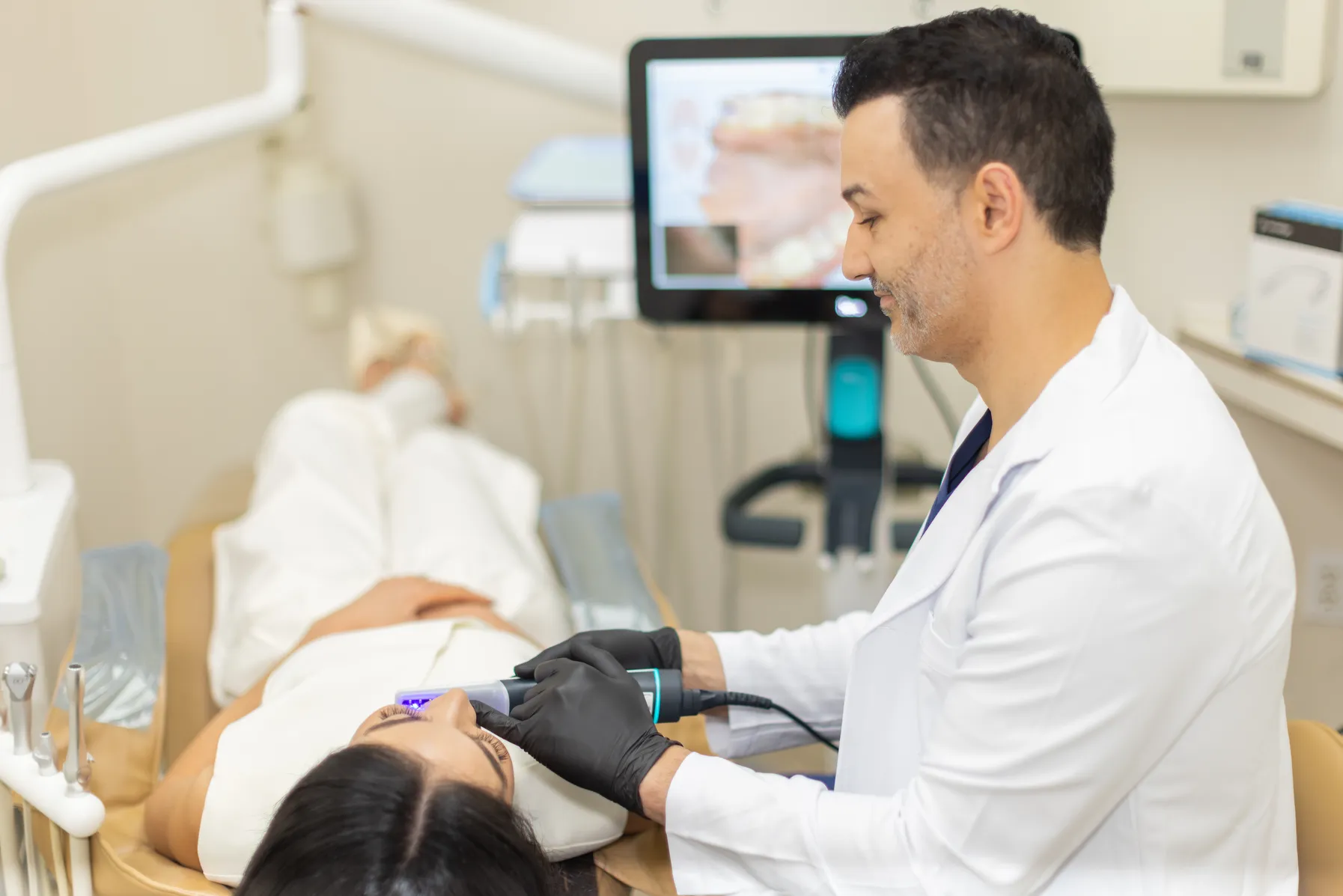
Oral Cancer Screening at Northridge Dental Clinic
Oral cancer screenings help patients in Northridge, CA monitor their oral health through early detection and preventive care. During the screening process, the dentist examines the mouth, tongue, gums, throat, and surrounding tissues for abnormalities that may require further evaluation.
Why Oral Cancer Screenings Matter
Oral cancer can develop without obvious symptoms in its early stages, making regular screenings an important part of preventive dental care.
- Early Detection Identify suspicious tissue changes before symptoms progress.
- Comprehensive Tissue Evaluation Examine the tongue, cheeks, gums, lips, and throat for abnormalities.
- Quick and Non-Invasive Screenings are comfortable and usually completed within minutes.
- Supports Better Outcomes Early diagnosis improves the likelihood of successful treatment.
What Happens During an Oral Cancer Screening?
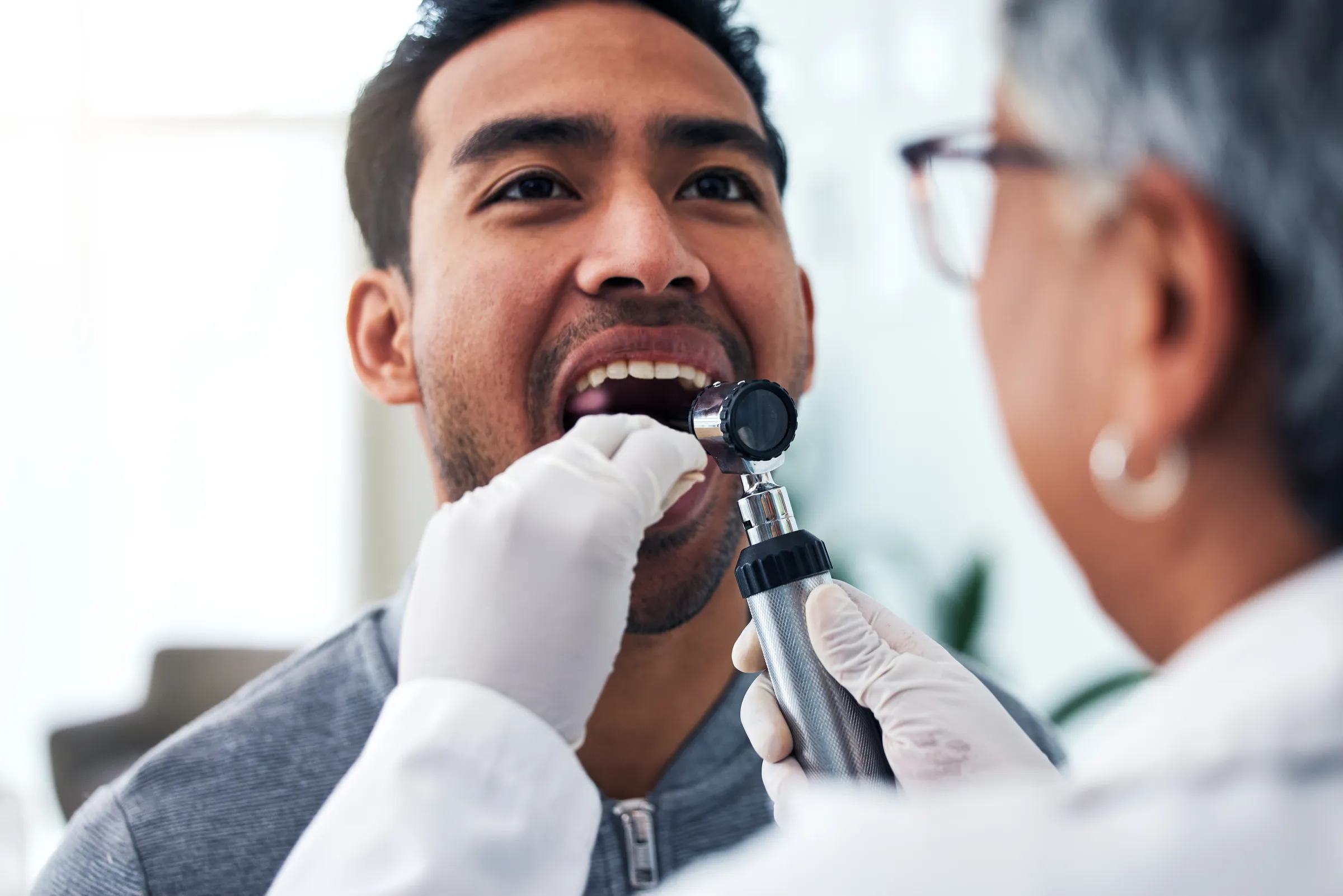
The screening process involves a visual and physical examination of oral tissues to check for unusual changes, lesions, or areas of concern.
- Visual Examination Inspect soft tissues for discoloration, sores, or irregularities.
- Tissue Palpation Gently examine the jaw, neck, and surrounding areas for lumps or swelling.
- Risk Assessment Review lifestyle and health factors that may increase oral cancer risk.
- Follow-Up Recommendations Determine whether additional evaluation or monitoring is needed.
Who Should Get Oral Cancer Screenings?
Regular screenings are recommended for adults of all ages, especially those with known risk factors or lifestyle habits associated with oral cancer.
- Patients who use tobacco products or consume alcohol frequently
- Adults over age 40
- Individuals with a history of oral cancer or precancerous lesions
- Anyone seeking comprehensive preventive dental care
Take a Preventive Approach to Your Health
Routine oral cancer screenings are an important part of maintaining long-term oral and overall health. Scheduling regular preventive visits can help identify concerns early and provide greater peace of mind about your well-being.
Oral Cancer Screening FAQ
- What is an oral cancer screening?
- An oral cancer screening is a preventive exam that checks for abnormal tissue changes, sores, or other signs that may indicate oral cancer or precancerous conditions.
- How long does an oral cancer screening take?
- Most screenings only take a few minutes and are typically performed during routine dental exams.
- Does an oral cancer screening hurt?
- No. The screening is non-invasive and generally very comfortable.
- Who is at higher risk for oral cancer?
- Tobacco use, heavy alcohol consumption, HPV exposure, and age can increase the risk of developing oral cancer.
- What symptoms can oral cancer cause?
- Symptoms may include persistent sores, lumps, difficulty swallowing, unexplained bleeding, or changes in oral tissue appearance.
- How often should I get screened?
- Most adults should receive regular screenings during routine preventive dental visits, especially if risk factors are present.
- What happens if something abnormal is found?
- If an unusual area is identified, additional evaluation, monitoring, or referral for further testing may be recommended.
- How do I get started?
- Scheduling a preventive dental visit is an easy way to include oral cancer screening as part of your routine oral health care.