
Oral Function & Development Care
Frenectomy in Northridge, CA
Improve comfort, movement, and oral function with gentle treatment.
A frenectomy is a simple procedure used to release restrictive tissue attachments in the mouth that may interfere with speech, feeding, oral development, or comfort. Commonly performed for tongue-tie or lip-tie concerns, treatment can help improve mobility and support healthier oral function for children and adults alike.

Boosting Confidence and Smiles with Expert Care
Frenectomy at Northridge Dental Clinic
Frenectomy treatment helps patients in Northridge, CA improve oral movement and function by addressing restrictive frenum attachments. These tissues can limit tongue or lip mobility and may contribute to feeding difficulties, speech concerns, spacing issues, or oral discomfort.
What Is a Frenectomy?
A frenectomy involves releasing or removing a tight frenum to improve oral mobility and reduce functional limitations.
- Tongue-Tie Treatment Improve tongue mobility that may affect feeding, speech, or oral development.
- Lip-Tie Treatment Release restrictive tissue connecting the lip to the gums.
- Improved Oral Function Support easier speaking, swallowing, and oral movement.
- Comfort-Focused Care Gentle treatment designed for patients of different ages.
Signs a Frenectomy May Be Recommended
Restrictive oral tissue attachments can affect both children and adults in different ways depending on severity and location.
- Feeding Difficulties Trouble breastfeeding or bottle feeding in infants.
- Speech Concerns Difficulty pronouncing certain sounds clearly.
- Limited Tongue Movement Restricted ability to lift or extend the tongue.
- Spacing or Gum Tension Gaps between teeth or pulling on gum tissues.
Benefits of Frenectomy Treatment
Addressing restrictive oral tissues early can improve function, comfort, and oral development.
- Improve tongue and lip mobility
- Support speech and feeding function
- Reduce oral tension and discomfort
- Support healthier oral development and alignment
Support Healthier Oral Function
Frenectomy treatment can help improve comfort, movement, and overall oral function for both children and adults. A professional evaluation can determine whether treatment is recommended based on your symptoms and oral development needs.
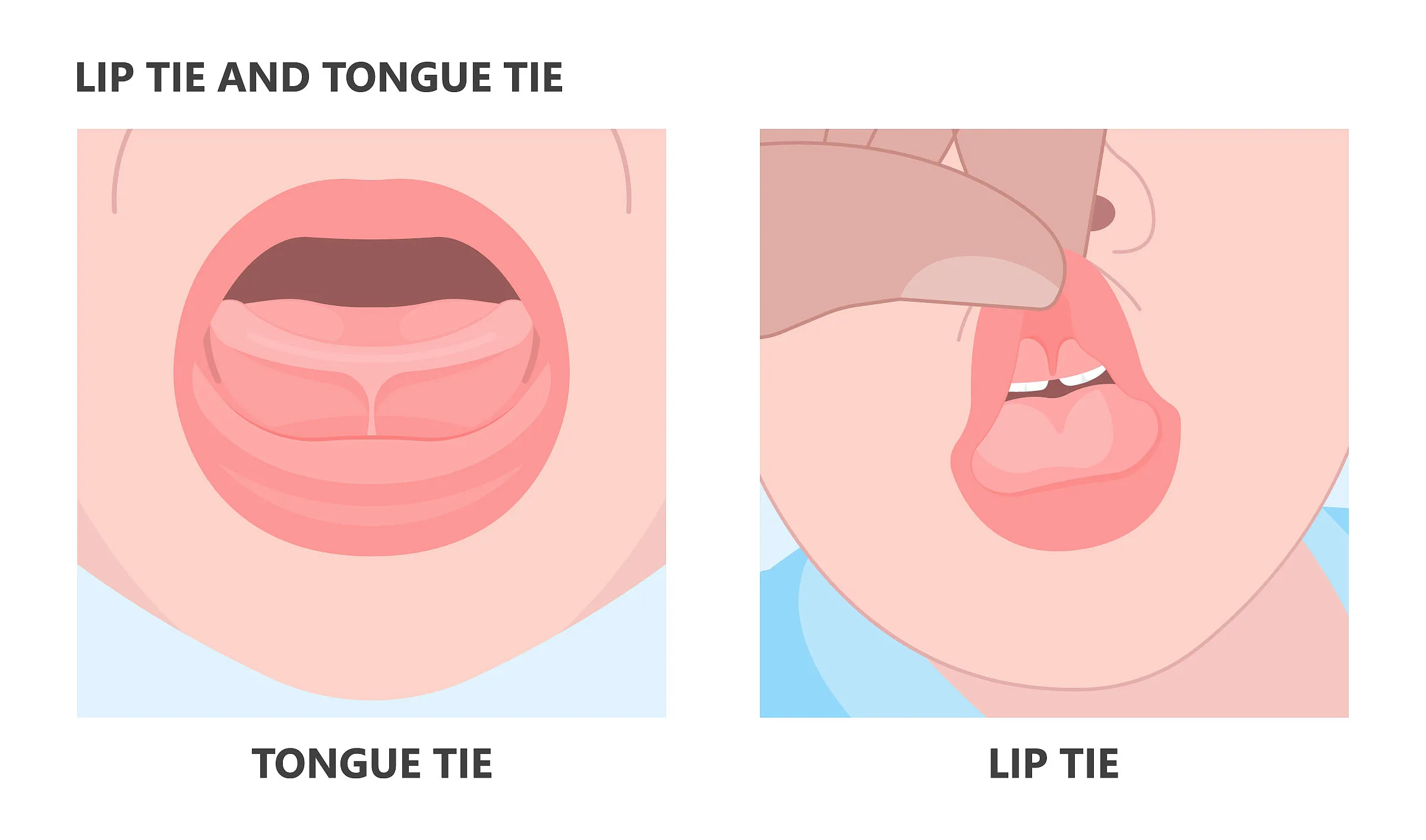
The short answer
A frenectomy is a procedure that releases or removes a tight frenum, the band of tissue that connects the tongue or lip to the mouth, when it restricts movement. It is most often used for tongue-tie or lip-tie and is generally quick and well tolerated, with local anesthesia or other comfort measures as needed. Treatment can improve tongue and lip mobility and support feeding, speech, swallowing and oral development in infants, children and adults.
Frenectomy FAQ
- What is a frenectomy?
- A frenectomy is a procedure that releases or removes restrictive tissue attachments in the mouth. It most often involves the tissue under the tongue or the tissue connecting the upper lip to the gums. Releasing this tissue can improve movement and comfort.
- What is tongue-tie?
- Tongue-tie occurs when the tissue beneath the tongue is too tight or too short. This limits normal tongue movement, such as lifting or extending the tongue. It can affect feeding, speech or oral development.
- Can adults need a frenectomy?
- Yes, adults can need a frenectomy. While it is commonly performed for infants and children, adults may also benefit if mobility or function is affected. Signs in adults can include speech concerns, gaps between teeth or pulling on the gums.
- Is a frenectomy painful?
- A frenectomy is generally quick and well tolerated. Local anesthesia or other comfort measures are used as needed. Treatment is designed to be gentle for patients of different ages.
- How long does recovery take?
- Most patients recover quickly after a frenectomy. Mild soreness or temporary discomfort is normal while the area heals. Your dentist will give you aftercare guidance to support healing.
- Can a frenectomy help with speech?
- In some cases, a frenectomy can help support clearer speech. Improving tongue mobility can make certain sounds easier to pronounce. An evaluation can show whether restricted tissue is affecting speech.
- When should a tongue-tie be evaluated?
- A tongue-tie should be evaluated if there are feeding, speech, oral mobility or development concerns. In infants, trouble breastfeeding or bottle feeding can be a sign. Addressing restrictive tissue early can improve function and comfort.
- How do I get started?
- You can get started with a consultation. The dentist will evaluate oral function, mobility and developmental needs. They can then tell you whether a frenectomy is appropriate.