
Ongoing Gum Disease Care
Periodontal Maintenance in Northridge, CA
Protect your gums and maintain long-term oral health with specialized care.
Periodontal maintenance is an essential follow-up treatment for patients managing gum disease. These visits help control bacteria below the gum line, reduce inflammation, and support the health of the gums and bone surrounding the teeth. Consistent maintenance care plays a major role in preventing disease progression and preserving your smile.
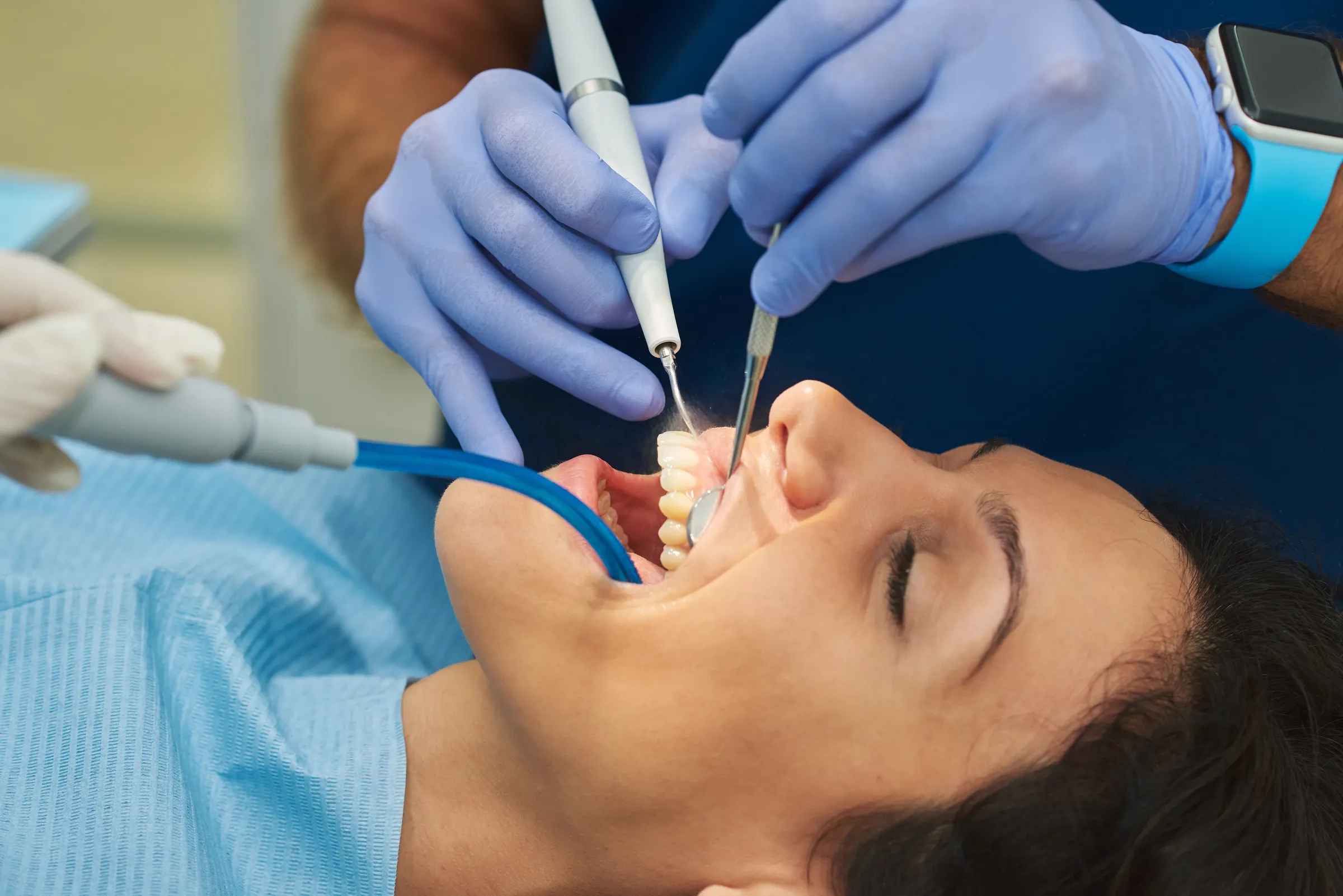
Boosting Confidence and Smiles with Expert Care
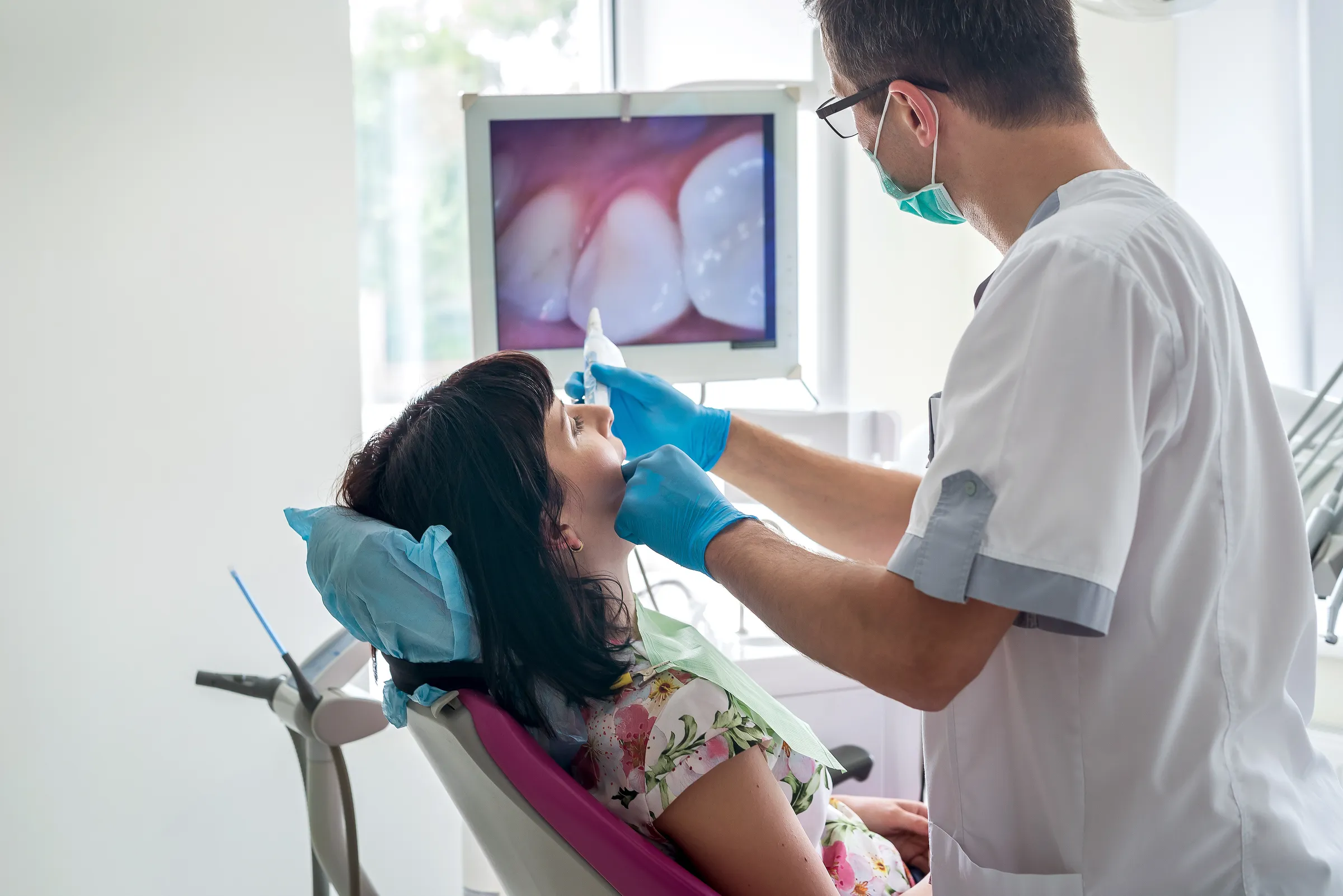
Periodontal Maintenance at Northridge Dental Clinic
Periodontal maintenance helps patients in Northridge, CA maintain healthier gums after treatment for periodontal disease. Unlike routine cleanings, these appointments focus on deeper areas around the teeth and gums where harmful bacteria can continue to collect and cause damage if left untreated.
Why Periodontal Maintenance Is Important
After gum disease treatment, regular maintenance visits are necessary to help keep infection under control and support long-term oral stability.
- Deep Cleaning Below the Gum Line Remove plaque, tartar, and bacteria from periodontal pockets.
- Gum Health Monitoring Track inflammation, bleeding, and pocket depth changes over time.
- Bone and Tooth Protection Help reduce the risk of bone loss and tooth instability.
- Preventive Support Lower the likelihood of periodontal disease progression and future complications.
What Happens During Periodontal Maintenance?
Each visit is designed to clean and monitor areas that require additional attention due to a history of gum disease.
- Removal of Bacterial Buildup Clean difficult-to-reach areas around and beneath the gums.
- Periodontal Evaluation Measure gum pockets and assess tissue health.
- Targeted Hygiene Recommendations Improve home care routines for better periodontal support.
- Personalized Treatment Scheduling Determine maintenance frequency based on your condition and risk factors.
How Often Is Periodontal Maintenance Needed?
Most patients with periodontal disease benefit from maintenance visits every three to four months. The exact schedule depends on the severity of gum disease, oral hygiene habits, and overall health.
- Frequent maintenance visits help control harmful oral bacteria
- Regular monitoring supports healthier gums and bone levels
- Ongoing care may reduce the risk of tooth loss
- Periodontal maintenance complements daily brushing and flossing
Maintain Healthier Gums for the Long Term
Periodontal maintenance is a key part of protecting your oral health after gum disease treatment. Consistent care and monitoring can help preserve your teeth, improve gum health, and support a more stable smile over time.

Periodontal Maintenance FAQ
- What is periodontal maintenance?
- Periodontal maintenance is an ongoing cleaning and monitoring program designed for patients who have been treated for gum disease.
- How is periodontal maintenance different from a regular cleaning?
- It focuses on cleaning below the gum line and monitoring periodontal pockets, while routine cleanings primarily address surface buildup.
- How often should periodontal maintenance be scheduled?
- Many patients require maintenance every three to four months, though schedules vary depending on periodontal health and risk factors.
- Does periodontal maintenance hurt?
- Treatment is generally well tolerated, though some patients may experience mild sensitivity depending on gum inflammation and pocket depth.
- Can gum disease return after treatment?
- Yes. Without regular maintenance and good home care, harmful bacteria can build up again and cause periodontal disease to progress.
- Why is periodontal disease serious?
- Untreated gum disease can lead to gum recession, bone loss, loose teeth, and eventual tooth loss.
- Will insurance cover periodontal maintenance?
- Many dental insurance plans provide some level of coverage for periodontal maintenance, although benefits vary by provider.
- How do I get started?
- A periodontal evaluation can help determine the right maintenance schedule to support your gum health and long-term oral stability.